
Species
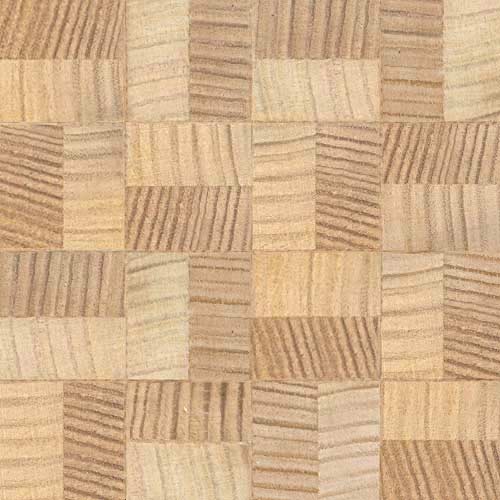
Tasmanian Oak is a common timber, mixed from three Eucalypts with very similar timber. Harvested from the tallest hardwood species in the world, the timber is exceptionally straight grained. Colour is light, neutral cream without much variation, it stains very well and can be polished to an impressive finish.
Variation Disclaimer
Timber is a natural material. Variation in appearance and properties is an enticing part of designing and building with real timber! Each fibre in each plank in each project is uniquely designed by nature. We strive in good faith to present you with the most accurate portrayal of what you can expect in your timber by using images, past job portfolios, detailed information and samples, the other part of this responsibility is advising you that your timber’s appearance WILL vary from these guides. Please use this information as a guide only.
Manufacturer
Australian Timber Company is a wholly owned Australian business producing a variety of high quality parquetry timber flooring for both commercial projects & homes. They also have the capability to manufacture bespoke parquetry designs with custom patterns and alternative species.
Floor Type
Parquetry is one of the most time tested flooring options. Mosaic parquetry has adapted to suit modern interiors.
• Kiln dried
• Precision milled with a square edge on all sides
• Fingers come joined in sheets of pre-fabricated patterns
• Continuous uniform timber through the entire thickness of each finger allowing for many re-sands
• Raw and unfinished
• Simple repairs by only replacing effected fingers
Parquetry is also relatively stable as expansions stresses are distributed more evenly across multiple joints and grain direction is less often parallel.
Grades
Timber has many natural feutures that tell the story of the living tree. The features seen in Tasmanian Oak are:
• Gum Veins & gum pockets
• Insect trails (Especially pinhole boarer)
• Knots
• Burrs (aka burls)
• Checking / honeycombing / shakes
• Other fibre separations
Timber has an asymmetric (anisotropic) structure which makes features appear different when viewed on the end grain than they do on the face grain. Because of these differences, we don’t grade end grain parquetry like other timber floors. It is sufficient to say that our end grain parquetry consists of mostly clean blocks.
Installation
End grain parquetry is typically suitable for gluing over flat, dry and structural subfloors such as plywood, particleboard, existing timber floors or concrete slabs. They come in a raw state and need to be sanded and finished after installation. THIS IS NOT A DIY FRIENDLY PRODUCT, only an experienced installer and a very experienced sander or a very experienced carpenter should attempt the installation of end grain parquetry.
Sustainability
Timber is a truly renewable resource, a mature tree is harvested, a young tree is planted and a few decades later is ready for harvesting again. Australia’s vast forests are carefully, conservatively managed to ensure a responsible amount of wood is harvested. Timber uses a relatively small amount of energy during processing compared to other building materials like metals and concrete, the timber itself is a carbon storer and has a long working life.